
St Patrick’s Day- Catherine Gabbott, Owner and Director of Suppawtive Health Solutions
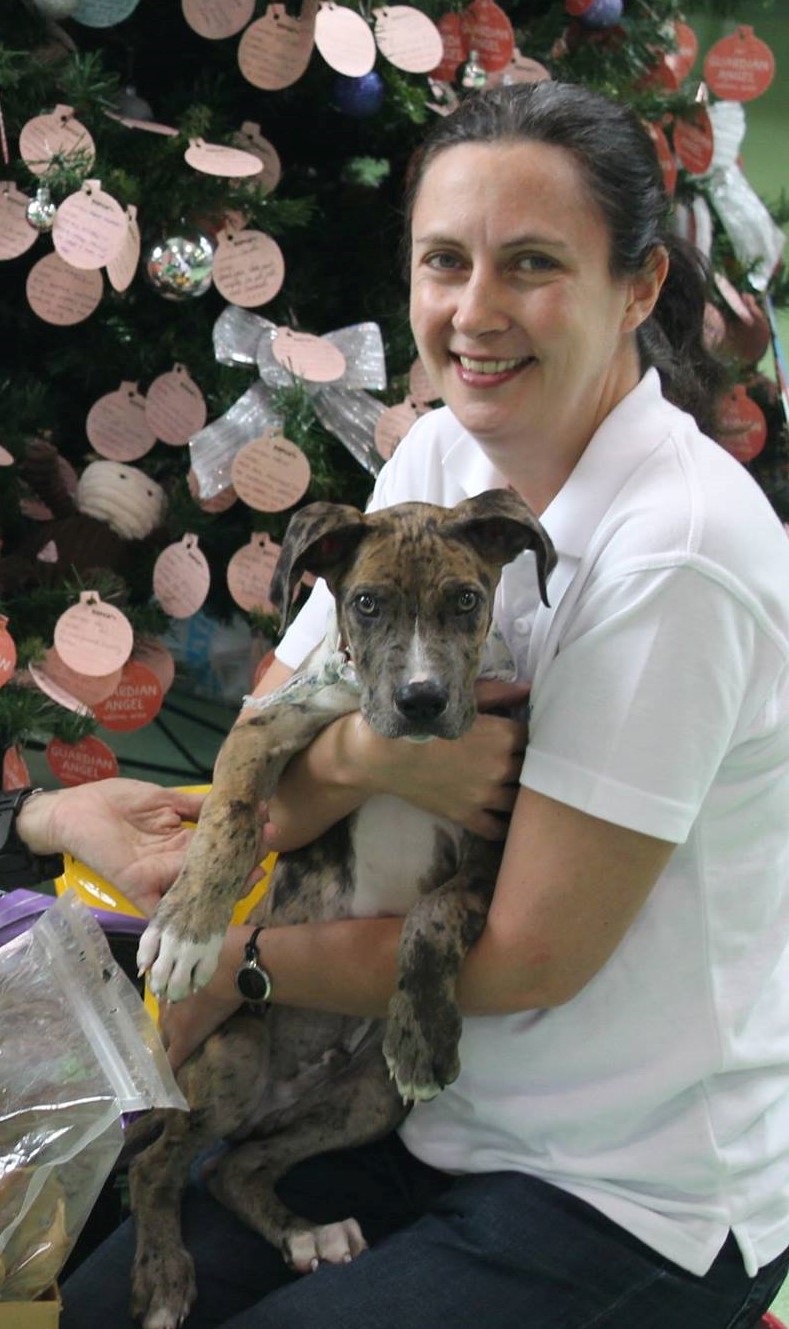 In the lead up to St Patrick’s Day, we are recognising the contributions of Irish business people who now call Australia home. In this article we interview Catherine Gabbott, owner of Suppawtive Health Solutions.
What is your fondest memory of Ireland?
The winter snow was always one of my favourite times. Both as a child and as a teenager in college we would engage in snowball fights and have a lot of good fun and laughs doing so. As an adult, I really appreciated the history of Ireland. The vikings invaded Dublin in 988 and evidence of their habitats exists to this day. Ireland has a long rich history which is evidenced in its architecture and artefacts, like the Book of Kells which is housed in Trinity College. For me, the images of Dublin City evoke fond memories of growing up there rather than images of green rolling hills. This is because I am a city girl and always will be, Dublin will always be where my heart belongs.
What made you the business person you are today?
I originally started out in IT but have always had a love to work with animals. A few years ago I got the opportunity to work as a dog trainer with the RSPCA in Queensland. It was this opportunity that enabled me to realise a new passion in my life. It led me to study a Diploma in Animal Naturopathy and starting my own company.
I can’t pinpoint one thing that made me the business person I am today, but a lot of life’s hurdles helped me grow as a person as well as some great opportunities that opened the proverbial doors. I have always followed what I felt was right at the time and believed that I have the capability to do whatever I set my mind too. I believe that it is more this drive and belief in myself while doing something that I love that has made me into the business person I am today.
What does your typical work day involve?
A typical day for me involves checking emails, making appointments and visiting clients in their home to discuss their animals health and nutrition. Following a consult I prepare a treatment plan that is customised to the clients pet. A follow up consult occurs 2-4 weeks after the initial consult to review the animal and monitor its progress.
I will very soon be a qualified Canine Bowen Therapist. This means I can use massage to help dogs recover from physical injuries or where they are stiff and sore due to soft tissue problems and degenerative conditions.
Why do you do what you do?
I started on this path due to the death of a beloved pet, my dog Pepper. All his life Pepper had been plagued with health issues from hot spots, ear infections, itchy paws to tummy upsets. After his death from pancreatitis I started researching animal nutrition and basically had a light bulb moment. I realised that what I had been feeding him was the cause of all his problems. I then enrolled to study Animal Nutrition and loved what I was learning so much I quickly realised that this was a career that I wanted to follow.
When you speak to people in the animal care industry, many will have an animal in their life that somehow influenced their decision to get into this field. Whether it was adopting a rescue animal, taking a dog to a training class and then become a dog trainer, to having a sick animal. Although Pepper’s death was a terrible tragedy it was his death that put me onto this path and the belief that I can help prevent another animal suffering the way he did.
What is instilled in you from your Irish upbringing that has made you the person you are today?
The Irish people have a passion and drive that is different to other cultures. I have lived around the world and there is something different about the Irish. I think growing up in the era that I did, where there was a big change happening in Ireland, helped me stand up for what I believe in and follow what I believe is the truth. In the field that I am in there is a lot of skepticism and controversy so you have to be strong to stand by your beliefs for the betterment of a pets life.
What don’t we have in Australia that is in Ireland you would like to bring here?
Australian doesn’t have the architecture that I miss from Ireland, the really old buildings dating back many centuries. However, Australia has sunshine which is something seriously lacking in Ireland.